The Shell That Built a Quiet Fortune and Was Lost to Time
 Chris Collins - Whisper One
Posted On November 30, 2025
Chris Collins - Whisper One
Posted On November 30, 2025
A River That Once Worked
There was a time when the river that runs through Pendleton County was more than just scenery. It was a resource, a living harvest.
From the late 1800s through the early 1900s, the Licking River was among Kentucky’s richest mussel rivers, part of a vast freshwater mussel ecosystem that once stretched across the Ohio Valley waterways.
According to a comprehensive statewide survey, the Licking River drainage is listed among the streams where mussel populations were historically sporadic to abundant.
(Kentucky Energy and Environment Cabinet)
Echoes Beneath the Surface
Recent surveys still show the Licking River hosts impressive mussel biodiversity. One report from 2023 notes more than 50 freshwater mussel species in places along the river, a testimony to what once was and what still lingers beneath the surface.
(Kentucky Lantern)
From Riverbed to Runway
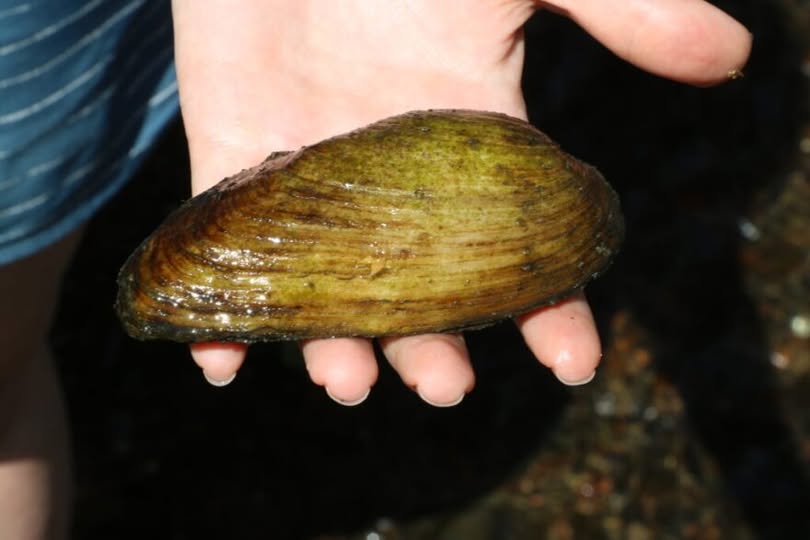
Across America in the late 19th and early 20th century, demand for mother of pearl buttons exploded. The thick nacre inside freshwater mussel shells, once considered mere river debris, was ideal for crafting lustrous, durable buttons.
By 1904, U.S. factories produced millions of buttons annually. By 1916, production peaked at around 40 million buttons a year.
(molluskconservation.org)
The industry was not limited to the big rivers. As mussel beds on the Mississippi and other major waterways were depleted, suppliers expanded into tributaries throughout the Ohio Valley.
(Great Lakes Now)
A Hidden Local Economy
Given the richness of the mussel population in the Licking River and the timing of the nationwide pearl button boom, families along its banks likely took part in the shell harvest, selling mussels for button blank production.
Imagine this. Farmers with slack seasons trading plow for pail, wading into the shallow Licking’s bends or riffles with rakes or simple hooks, dredging the silty bottom for mussels.
The shells could be boiled, cleaned, and packed by local hands. Once gathered, they would be transported by wagon, rail, or river freight to button blank factories in the Midwest or Ohio Valley. That raw material economy supplemented farm income just as tobacco, hemp, or corn once did.
That is the reality behind much of the U.S. freshwater mussel harvest. Men dragging brail hooks or crow foot tongs behind boats along the river bottoms, lifting shells that clamped shut when hooked.
(Wikipedia)
The River Beneath the Fields
Pendleton County would have been a hub of this kind of activity due to its landscape. It was the hidden crop, quietly feeding national industry.
The Fall of a Quiet Industry
But the boom did not last.
The national shell button industry, once thriving, collapsed. Overharvesting decimated mussel beds. Conservation efforts tried to revive populations, but pollution and habitat disruption made recovery hard. The rise of plastic buttons sealed the fate of many freshwater mussels.
(Louisville Public Media)
Today, mussel shell buttons are relics of a bygone era. Across Kentucky, including the Licking River, many mussel species are endangered or in critical decline.
(Kentucky Lantern)
The Legacy Lives Underwater
The decline of mussel populations hit more than just the rivers. It disrupted the quiet economies of places like Pendleton too. As usual though, the farmers in this area adapt and overcome.
So next time you are near the Licking River, especially in the quieter back bend near Pendleton farmland, remember. Those muddy bottoms once echoed with the scrape of hooks, the splash of boats, and the silent harvest of shells that fastened coats, shirts, and dresses across America.
Water once fed farms.
The river once fed industry.
And under the surface, the Licking still holds memories of a world shaped by shell, river, and demand.
A Call for Community Memory
Parts of the river nearby are now protected, home to some of the oldest mussel species in the U.S.
Note
The Licking River was a well documented hotspot for freshwater mussels during the height of the mother of pearl button industry.
If you have photos, records, or family stories about shell harvesting in Falmouth or anywhere in Pendleton County, we would love to see them. Help us document this piece of river history.
Whisper One Out
Trending Now