From Tobacco to Clover: The Real History of Farming in Falmouth
 Chris Collins - Whisper One
Posted On October 12, 2025
Chris Collins - Whisper One
Posted On October 12, 2025
0
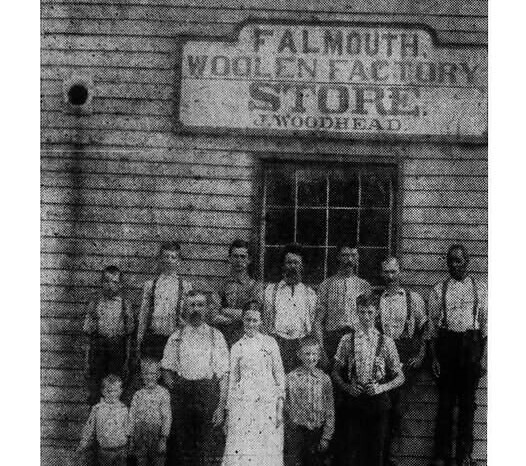
Falmouth’s landscape may look sleepy now, but this land has worked harder than most. Before the Dollar Generals and car washes, before half the storefronts emptied out, this county fed itself and a good chunk of Kentucky, off of what it could pull from the dirt.
Pendleton County’s farming legacy goes all the way back to its founding in 1798 and it’s changed more than once.
When settlers showed up in the late 1700s, they weren’t growing crops to get rich, they were growing crops to stay alive.
The first farms in and around Falmouth grew:
Corn, wheat, vegetables
A few head of hogs or cattle
Maybe some flax or sheep for cloth and wool
The land wasn’t broken up into giant fields. Families worked mixed plots, and what they didn’t eat, they traded in town or bartered at mills. Falmouth, even early on, served as the local trade hub. (npgallery.nps.gov)
By the mid-1800s, the game changed. An 1876 report flat out said:
“Tobacco has within the last ten or fifteen years become the staple crop of the county.”
Before that, it was barely planted. Pendleton County leaned in hard.
Tobacco was profitable, portable, and powerful. It took over the hillsides. But it came with a cost, soil exhaustion and erosion.
Generations of farmers would work the same plots year after year until the nutrients gave out. That’s not theory, that’s on the record. (nkyviews.com)
By the early 1900s, the ground was used up, and farmers knew it. But instead of quitting, they pivoted. Sweet clover, of all things, saved the day.
This humble plant:
Fixed nitrogen back into the soil
Fed bees, which exploded into a local industry
Rebuilt the ground for pasture and grazing animals
In 1916, records show 134,227 pounds of honey were shipped from Falmouth in one year. Let that sink in. (NKyTribune)
Farmers turned back to livestock, poultry, hogs, and hay and away from the one-crop mindset that nearly wrecked them.
Fast forward to today. As of the 2017 USDA Census, here’s the real data:
919 farms in Pendleton County
64% of sales: crops (corn, hay, vegetables)
36%: livestock and animal products
Average farm size: 121 acres
Nearly a third of the land is pasture, and another third is cropland. Woodland makes up the rest. That means grass, grazing, and mixed farms still define the region. (USDA Ag Census)
You’ve also got:
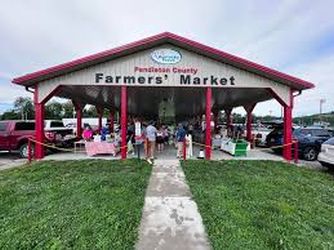
Small operations raising produce, honey, poultry, herbs
Local farmstands and direct-to-customer sales
A handful of growers still planting tobacco but it’s no longer the king
Some Hemp farms, although the promise of hemp has not been realized yet for Farmers
Some Soybeans
Falmouth’s ag story isn’t glamorous. It’s a cycle of work, failure, adaptation, and survival. Farmers grew what the land could handle. Then changed when it couldn’t handle it anymore.
If your family has:
Old farm records
Photos of harvests or fields
Crop receipts, livestock tags, or honey co-op docs
We want to see them. Send your history. We’ll print them.
Whisper One Out
Trending Now

The Mayor, The Plumber, and The Price Paid
March 11, 2026