Cynthiana. Where the Rails Met the River and a Town Took Root
 Chris Collins - Whisper One
Posted On September 19, 2025
Chris Collins - Whisper One
Posted On September 19, 2025
0
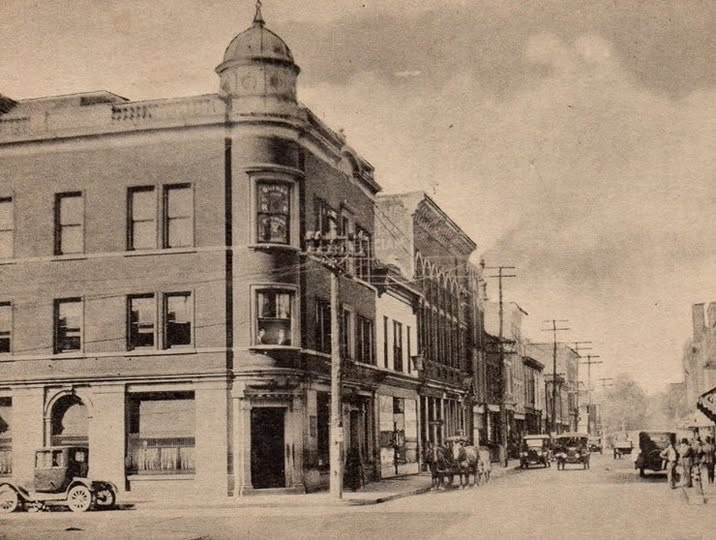
Cynthiana came together where the river bends, the tracks run straight, and two sisters’ names blended into one. There’s a quiet charm to this place. A kind of rhythm that never quite left, even as the steam engines faded and the horses gave way to pickups. Raised on tobacco, tethered by iron, and bloodied by war, this little river town has always punched above its weight, though half the state couldn’t point to it on a map.
But that’s exactly what makes it dangerous. History loves to hide in plain sight.
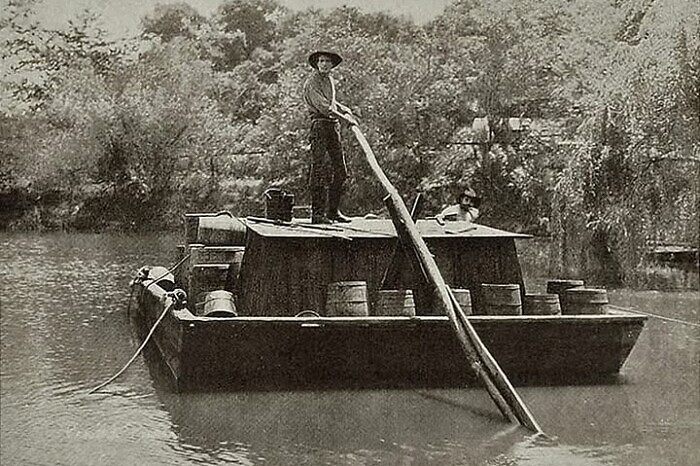
Before Cynthiana had a name, it had a river. The South Fork of the Licking to be exact. Early settlers saw the bend in the water and set up camp. It was fertile. It was flowing. And it was close enough to Lexington to matter, but just far enough away to grow its own roots.
Settlers called it “Levi’s Station” at first, but in 1793, a man named Robert Harrison named the growing village. In 1793, a man named Robert Harrison decided to give the little community a proper name, Cynthiana, after his nieces, Cynthia and Anna. You won’t find another town with that name in the world. That tells you something already.
By 1794, it was the seat of Harrison County, and just like that, the wheels were in motion, literally.
In the mid-1800s, railroads changed everything in Kentucky, and Cynthiana was right in the path. The Kentucky Central Railroad laid down tracks that would tether this river town to Lexington and Covington, opening it to trade, travelers, and ideas.
You could grow up on a farm and be in Cincinnati by nightfall.
You could ship out bourbon, hemp, and tobacco and get it to market before it spoiled.
And that shift from isolated to connected, gave Cynthiana a seat at the table.
The First Battle of Cynthiana on July 17, 1862. Confederate cavalry legend John Hunt Morgan led nearly 900 men in a lightning raid, overwhelming Union troops, torching the railroad depot, and cutting telegraph lines before vanishing back into the hills. It was fast, fiery, and strategic. Cynthiana’s first taste of Civil War firepower, and a prelude to the larger battle that would come in 1864.
On June 1864, If you’d been standing on Main Street, you might’ve heard the thunder before you saw the smoke. That was John Hunt Morgan, Confederate general, bringing his raiders through in what became known as the Second Battle of Cynthiana.
It was short, sharp, and unforgettable. The town burned. The railroad was disrupted. But Cynthiana, as always, got back up and rebuilt. Locals still talk about it like it was yesterday. Some even reenact it, muskets and all.
For a small town, Cynthiana’s produced more than her share of stories.
Joe B. Hall, the UK basketball coach who followed Rupp? Born right here.
Rohs Opera House, built in 1871, still stands downtown, part theater, part community heartbeat, and depending on who you ask, maybe a little haunted.
Cynthiana is also proud to be part of the early story of Ale-8-One, Kentucky’s own citrus-ginger soda.
Robert Kirkman born in Richmond, Kentucky, but raised in Cynthiana, he created the Walking Dead.
And if you’re the type who likes strolling historic downtowns? Take a slow walk. You’ll find murals, iron storefronts, and those old-school bricks that remember more than they let on.
Cynthiana today isn’t trying to be flashy. It doesn’t have to be. There’s a confidence in towns like this, a rhythm that hums along, whether people are paying attention or not.
It’s the kind of place where, you’ll hear birds over traffic. Somebody waves whether they know you or not. And history isn’t just in the books, it’s in the bricks, the porches, and the front-page clippings in grandma’s attic.
First time through? You might miss it. Second time? You might stay.
Whisper One Out
Trending Now
The Mayor, The Plumber, and The Price Paid
March 11, 2026