How flatboats, whiskey, and hard miles shaped early Falmouth
 Chris Collins - Whisper One
Posted On September 21, 2025
Chris Collins - Whisper One
Posted On September 21, 2025
0
How flatboats, whiskey, and hard miles shaped early Falmouth
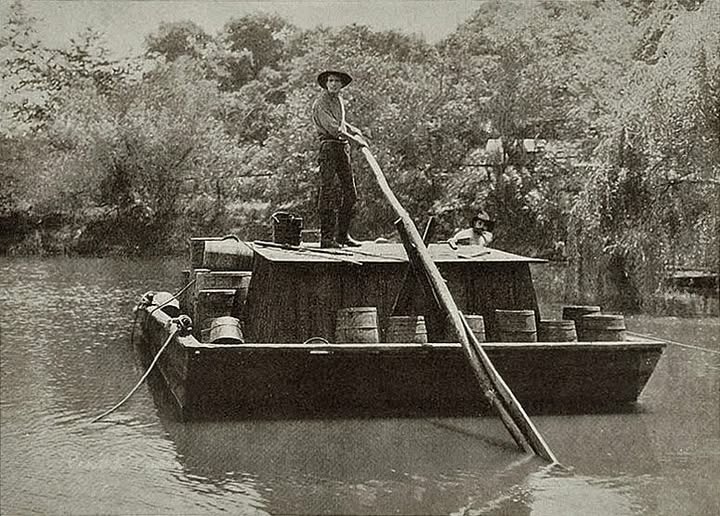
Before the railroad ever whistled through town, before the courthouse clock ticked off Main Street’s rhythm, Falmouth’s future floated. Not in blueprints or election slogans, but on flatboats.
Back then, the Licking wasn’t scenery, it was infrastructure.
If you were standing in early 1800s Falmouth, you’d hear the creak of timber, the grunt of oxen dragging barrels, and the slap of river water against the banks. This was the loading dock of the Kentucky frontier.
The Licking River flowed north, sure, but the trade flowed south. Goods pushed upstream to towns like Butler and Cynthiana, but the real business was heading down.
Whiskey from backwoods stills, barreled and branded
Hemp spun into rope or packed tight for southern markets
Lumber fresh-cut from Pendleton hills, shaped into the flatboats themselves.
Once launched, there was no coming back the easy way. These were one-way boats. Built to float, sold for scrap at the end.
Long before “Bourbon Trail” became a marketing line, farmers and millers in these hills were running small distilleries, clear stuff at first, aging barrels when they could. Falmouth’s whiskey was headed to New Orleans taverns, trading posts, and even a few pirate dens down near the Gulf.
It wasn’t glamorous. But it moved and movement meant money.
Once they sold off their goods and sometimes the boat itself, flatboat crews had one way home: on foot. They walked the river valleys. They hitched rides on wagons or caught river ferries when they could. Some wouldn’t make it back for months. Others stayed down south and disappeared into the lore.
But those who did come back? They brought stories. Cash. Tools. Seeds. Maybe a fancy hat. Maybe a scar.
And all of it fed what Falmouth would become.
The flatboat era didn’t last. By the late 1800s, railroads started pushing river trade to the side. Time moved faster. Floods came harder. Towns adapted or they didn’t.
But if you ever find yourself near the Licking just after dawn, when the fog still hangs and the town hasn’t quite woken up.
You can almost hear it. The scraping of a keel. The splash of an oar. And a voice hollering something about New Orleans or bust.
Whisper One Out
Sources
Flatboatmen of the Frontier by Irvin Cobb (1910)
Kentucky Historical Society – Trade & Transport Archives
Pendleton County Deed Records (1800–1850)
“Early Distilleries of the Licking Valley,” Bluegrass Bottled History Journal (Vol. 2)
WPA Kentucky County Narratives – Pendleton Interviews
National Park Service: Mississippi River Trade Routes
Trending Now
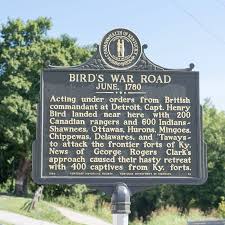
Before Falmouth Was Falmouth, War Came Through Here
May 31, 2026

A Special Announcement From Whisper Networks LLC
May 30, 2026